Should You Lease or Buy a Rivian?
After two years with my R1S, here's how to think about the lease vs buy decision based on what actually matters to you. No generic advice - just real-world perspective.
Deciding whether to lease vs buy a Rivian is one of the biggest questions new EV buyers face. As a real R1S owner who's lived through this decision, I've broken down the key factors by buyer type so you can find the right answer for your situation.
My Take After 2 Years of Ownership
I leased my R1S and will almost certainly buy when the lease is up. But that doesn't mean you should. The right choice depends entirely on your situation, risk tolerance, and what you're trying to optimize for.
If You're Budget-Conscious...
When every dollar matters, the math gets interesting. Leasing often wins on monthly cash flow, but buying can be better long-term.
Your Scenario
You want a Rivian but need to manage monthly expenses carefully. You're comparing total cost of ownership and looking for the most financially efficient path.
The Real Numbers (R1S Dual Standard)
Leasing (36 months)
Buying (0% APR, 60 months)
Recommendation: Buy
Why: Without the federal lease credit, buying is now $3,558 cheaper overall ($30,900 vs $34,458). Plus you own an asset worth ~$50,000 instead of having nothing at lease end.
Risk: No asset at the end, and you'll need another car payment if you want to stay in an EV. Pro tip: Rivian's Costco discount can stack on top of lease deals for even more savings.

If Money Isn't Your Main Concern...
When budget isn't the constraint, lease vs buy becomes about flexibility, risk management, and optionality.
Your Scenario
You can afford either option comfortably. You're more interested in making the smart strategic choice and maintaining flexibility as the EV market evolves rapidly.
The Flexibility Factor
Technology Hedge
EVs are advancing fast. The 2029 R1S will likely have better range, faster charging, and new features. Leasing lets you upgrade without selling.
Quality Insurance
Rivian is still a new company. If you get a problematic vehicle, returning it at lease-end is cleaner than selling a vehicle with known issues.
Lifestyle Test
Will you actually use the adventure features? Road trip regularly? Love the size? Three years gives you real data on how Rivian fits your life.
Recommendation: Lease
Why: Maximum optionality. You can test the EV lifestyle, see how Rivian evolves, and decide whether to buy your lease, upgrade to newer tech, or try a different EV entirely.
My experience: Road trips to Minneapolis were fantastic (chargers every 10 miles). St. Louis was different - only ~10 decent chargers in the whole city, all 10-15 minutes from where I needed to be. Location matters more than you think.

If You Want to Own It Long-Term...
Planning to keep your Rivian for 6+ years? The math shifts heavily toward buying, especially if you value ownership and customization.
Your Scenario
You typically keep vehicles for many years, you like to customize and modify, and you prefer owning assets over perpetual payments. Mileage restrictions annoy you.
The Ownership Advantage
Lease mileage allowances (typically 10,000-12,000 miles/year) can add up to $0.25/mile in overage fees. High mileage drivers save thousands by buying.
Aftermarket accessories, wraps, towing modifications - do whatever you want without worrying about lease return conditions.
After 5-6 years, you own an asset worth something. Continuous leasing means perpetual payments with no equity.
Choose your service schedule, use aftermarket parts if desired, and handle repairs on your timeline.
Recommendation: Buy
Why: Long-term ownership makes financial sense if you're keeping it 5+ years. With Rivian's 0% APR offers, you're essentially borrowing money for free while building equity.
Consider: Section 179 tax deduction if you use the Rivian for business (up to $32,000 first-year deduction).
If This Is Your First EV...
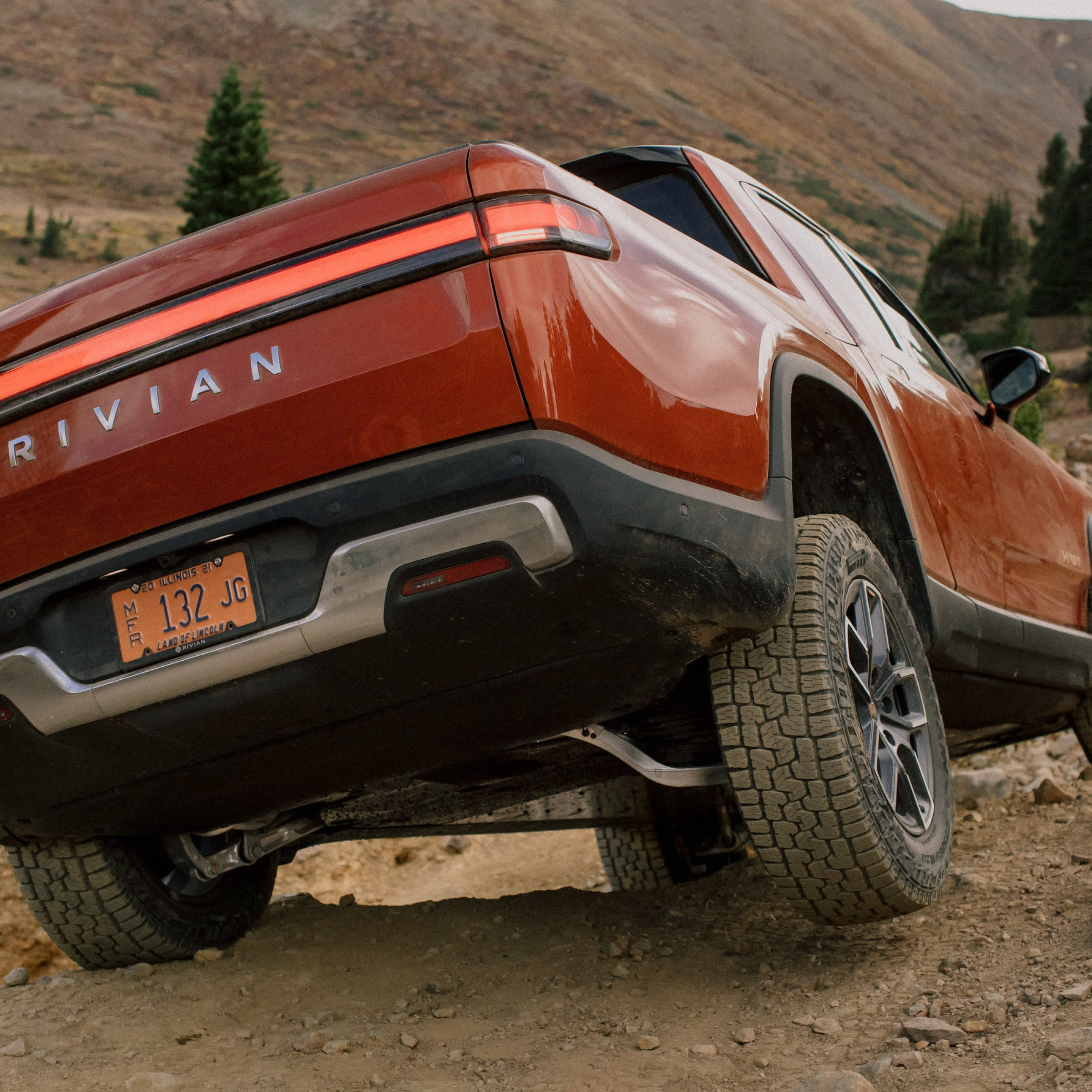
The EV lifestyle is different. Charging infrastructure varies wildly by location, and habits take time to develop. Leasing offers a low-risk way to find out if it works for you.
Your Scenario
You're coming from gas vehicles and aren't sure how EV ownership will feel day-to-day. You want to try it without a massive financial commitment.
What You Don't Know Yet
Home charging is convenient, but road trips require planning. DC fast charging speeds vary dramatically by location and temperature.
Most first-time EV owners worry about range initially, then realize they rarely drive more than 200 miles in a day. But it takes months to internalize this.
Cold weather reduces range 20-30%. If you live in a cold climate, you'll want to experience a full winter before committing long-term.
The R1S is large. Will you actually use the size, or will you find it cumbersome for daily driving? Three years gives you real data.
Recommendation: Lease
Why: Think of the lease as an extended test drive. You'll learn whether EVs fit your lifestyle, how Rivian's size works for you, and whether the adventure features get used or just look cool.
Exit strategy: If you love it, you can often buy your lease at the end. If not, you return it and try something else.
If You're Upgrading from Another EV...
You already know the EV lifestyle works for you. The question is whether Rivian specifically is a long-term fit, and whether the current generation is worth keeping vs. upgrading later.
Your Scenario
You've owned a Tesla, Lucid, BMW i4, or another EV. You understand charging networks, range planning, and home charging. You're evaluating Rivian specifically.
What's Different About Rivian
Rivian's charging network is young but growing fast. If you're used to Tesla's Supercharger reliability, the Adventure Network is still catching up.
If you're coming from a sedan or smaller SUV, the R1S/R1T size and capability are significant upgrades. But you'll know quickly if you actually use it.
Rivian's software is improving rapidly but isn't as polished as Tesla's. Regular OTA updates add features but occasionally break things.
Second-generation R1S/R1T (2026) have addressed most early issues, but Rivian is still scaling manufacturing.
Recommendation: Either (Slight Edge to Buying)
Why buy: You already know EVs work for you. If Rivian's size and capability fit your needs, and you like the current generation, buying makes financial sense long-term.
Why lease: If you want to see how Rivian evolves as a company over the next 2-3 years before committing to long-term ownership.
Side-by-Side Comparison
All the key factors in one place to help you decide.
| Factor | Leasing | Buying |
|---|---|---|
| Monthly Payment | $899/month (R1S Dual Standard) | $1,265/month (0% APR, 60 months) |
| Federal Tax Credit | Not available (45W expired) | $7,500 OBBBA credit (if eligible) |
| Mileage Limits | 10,000-12,000 miles/year | No limits |
| Customization | Limited (must return to original condition) | Complete freedom |
| Technology Risk | Protected (return and upgrade) | Exposed (stuck with older tech) |
| Quality Issues | Return at lease-end if problematic | Responsible for all repairs post-warranty |
| Long-Term Cost (6+ years) | Perpetual payments, no equity | Own an asset, lower total cost |
| Flexibility | Easy to change/upgrade | Must sell to change vehicles |
Current Market Conditions (April 2026)
The landscape changes monthly. Here's what's available right now.
Lease Deals
- R1T/R1S Dual Standard: $899/month, 36 months
- R1T/R1S Dual Performance: $1,049-$1,059/month after $3,000 Rivian contribution
- R1T/R1S Max configs: $1,249-$1,269/month
- 10,000-mile annual allowance standard
- Federal credit applied to lease (reduces monthly payment)
Financing Offers
- 0% APR for 60 months on select configurations
- 1.99% APR on other eligible trims
- $5,000 bonus cash on some models (check all current Rivian discount codes)
- Section 179 deduction available for business use
R2 Considerations
- R2 launches Spring 2026, starting at $57,990
- Leasing NOT expected at launch
- Purchase/financing likely only option initially
- May qualify for federal incentives

Frequently Asked Questions
Can you get the $7,500 federal tax credit when leasing a Rivian?
No. The federal EV lease credit (Section 45W) expired September 30, 2025 and was not replaced. However, if you purchase instead of lease, Rivian may qualify for the $7,500 OBBBA credit. Leasing can still make sense for other reasons like lower monthly payments and flexibility.
What is Rivian's current lease deal in 2026?
As of April 2026, Rivian offers leasing for all configurations. The R1S and R1T Dual Standard lease around $899/month for 36 months with $5,694 due at signing on a 10,000-mile annual allowance. Performance configurations start at $1,049-$1,059/month and may qualify for a $3,000 Rivian lease contribution.
Is it better to lease or buy a Rivian?
Without the federal lease credit (expired Sept 2025), buying is often better financially. Lease only if you prioritize lower monthly payments, flexibility to upgrade, or are buying your first EV. Buy if you want to build equity, plan to keep the vehicle 5+ years, drive over 12,000 miles annually, or want to customize without lease restrictions.
What happens at the end of a Rivian lease?
At the end of your Rivian lease, you typically have three options: return the vehicle, purchase it at the predetermined residual value, or trade it in toward a new Rivian lease or purchase. Many owners find that buying at lease-end makes sense if the residual value is favorable.
Is leasing a Rivian worth it for high-mileage drivers?
Generally no. Standard Rivian leases allow 10,000-12,000 miles per year, and overage fees can add up to $0.25 per mile. If you regularly drive more than 12,000 miles annually, buying is usually the better financial choice to avoid mileage penalties.
Maximize Your Savings Either Way
Whether you lease or buy, use referral code JOSEPH12262612 for up to $500 in free Rivian store credit plus 3 months of free Adventure Network charging.
This stacks with lease deals, financing incentives, and Costco discounts. See what other owners are saying in our Rivian reviews.